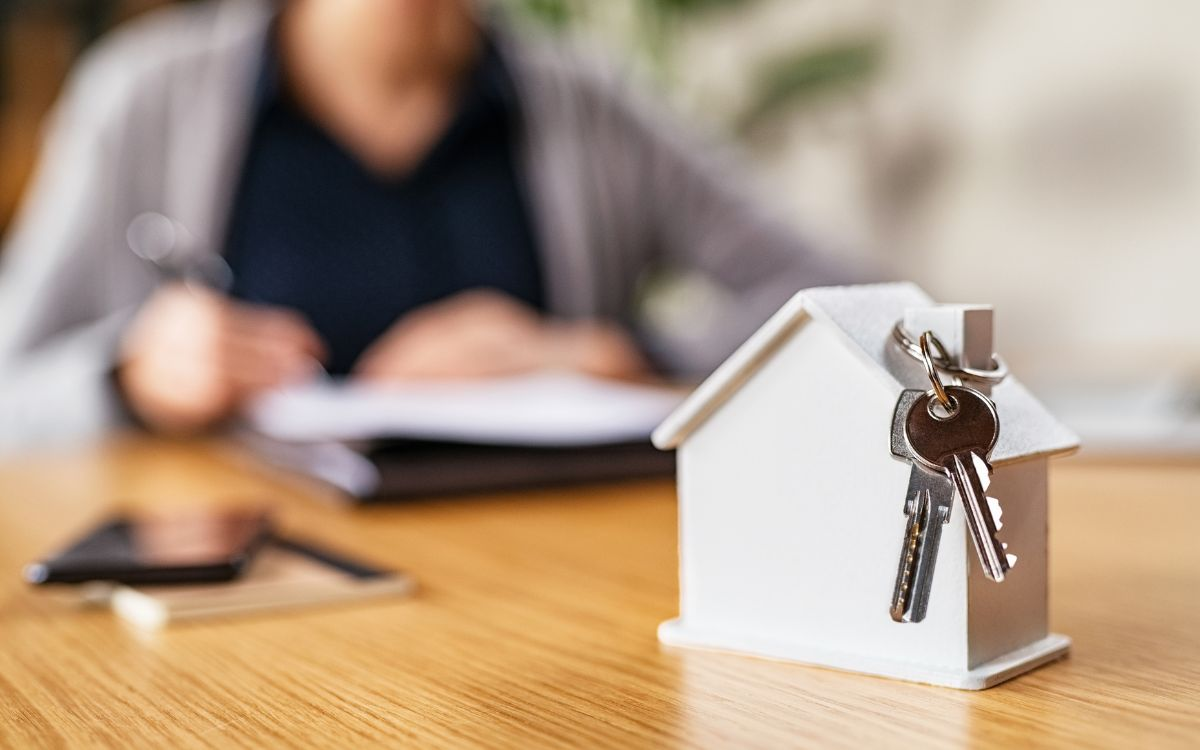
A house can look perfect during an open home.
Fresh paint can hide cracks. New flooring can cover damaged boards. Landscaping can conceal drainage problems.
Then there are problems you cannot see.
Termites can damage timber behind walls. Moisture can spread beneath floors. Roof damage can remain hidden from the ground.
That is why a building and pest inspection can be one of the most important steps before buying property.
A professional inspection can uncover problems before they become your responsibility.
It can also give you valuable information before you commit to the purchase.
Key Takeaways
| Key point | What you need to know |
| What is a building and pest inspection? | It assesses the property’s visible condition and potential pest risks. |
| What does a building inspection cover? | It can identify visible defects involving roofs, walls, ceilings, floors, moisture and structural components. |
| What does a pest inspection cover? | It looks for termites, timber pests, pest damage and signs of infestation. |
| Does it find every problem? | No. Concealed, inaccessible or unsafe areas may fall outside the inspection scope. |
| Do you need both inspections? | Usually, they provide broader information because they assess different risks. |
| When should you get one? | Ideally before committing to the purchase or under a suitable contract condition. |
| Can you negotiate after an inspection? | Depending on your contract, significant findings may support negotiations with the seller. |
| Does it replace a valuation? | No. An inspection assesses condition, while a valuation assesses market value. |
What Is a Building and Pest Inspection?

A building and pest inspection is a professional assessment of a property’s condition.
It usually combines two separate areas of investigation.
The first is the building inspection.
The second is the pest inspection.
A building inspection looks for visible defects affecting the property’s physical condition.
A pest inspection focuses on termites and other timber pests.
The two inspections complement each other.
However, neither inspection guarantees that a property has no problems.
The exact scope depends on the inspector, property and inspection agreement.
You should always read the inspection scope before booking.
What Does a Building Inspection Cover?
A building inspection generally examines accessible parts of the property’s structure and building components.
The inspector looks for visible defects, deterioration and signs of damage.
Common areas can include:
- Roof coverings
- Roof spaces
- Gutters and downpipes
- Ceilings
- Internal walls
- External walls
- Floors
- Windows and doors
- Foundations
- Subfloor areas
- Wet areas
- Drainage around the property
- Visible structural components
- Signs of dampness
- Cracking
- Leaks
- Deterioration
Structural Problems
Structural defects can become expensive if you ignore them.
A building inspection may identify signs of:
- Structural movement
- Significant cracking
- Subsidence
- Foundation problems
- Damaged structural components
- Deterioration
An inspector may recommend further investigation if they identify a serious concern.
You may then need a structural engineer.
The inspector’s report should help you understand whether further assessment is necessary.
Roof Problems
Your roof protects the rest of the property from the elements.
A building inspection can identify visible roof problems.
These may include:
- Broken tiles
- Damaged roofing materials
- Deteriorated flashing
- Blocked gutters
- Poor drainage
- Signs of water entry
- Visible deterioration
Some roof areas may be inaccessible.
Your report should identify areas the inspector could not assess.
Moisture and Dampness
Water can create serious problems before you notice visible damage.
A building inspection may identify signs of:
- Water leaks
- Dampness
- Moisture damage
- Poor drainage
- Mould
- Defective waterproofing
Moisture readings may also be taken during some inspections.
However, detecting moisture does not always identify its source.
Further investigation may therefore be necessary.
Cracks in Walls
Not every crack indicates a serious structural problem.
Some cracks result from normal movement or ageing.
Others may indicate more significant movement.
An inspector can identify visible cracking and recommend further investigation.
A structural engineer may then determine the underlying cause.
What Does a Pest Inspection Cover?

A pest inspection focuses on timber pests and evidence of pest activity.
Termites are a major concern because they can cause significant timber damage.
A pest inspection may look for:
- Live termites
- Evidence of termite activity
- Previous termite activity
- Timber damage
- Wood borers
- Wood decay
- Pest entry points
- Conditions that increase termite risk
- Existing termite management systems
The inspection can help identify problems that may not be obvious during an ordinary property inspection.
What About Termites?
Termites can enter buildings through areas that are difficult to see.
They may move through soil, timber and concealed areas.
A pest inspection can identify visible evidence of termite activity.
It can also identify conditions that may increase future termite risk.
However, no inspection can guarantee that termites will never appear.
Ongoing termite management may still be necessary.
What Does a Building and Pest Inspection Not Cover?
This is one of the most important things to understand.
A building and pest inspection is not a guarantee that the property has no defects.
Inspectors have limitations.
They generally cannot assess areas that are concealed, inaccessible or unsafe.
Examples can include:
- Inside sealed walls
- Beneath fixed flooring
- Behind fixed cabinetry
- Concealed plumbing
- Underground services
- Inaccessible roof areas
- Areas blocked by stored belongings
- Unsafe areas
Your report should explain these limitations.
An Inspection Is Not a Repair Quote
A building inspection can identify defects.
However, the report may not provide an exact repair cost.
You may need separate quotes from:
- Builders
- Plumbers
- Electricians
- Roofers
- Engineers
- Waterproofing specialists
- Pest professionals
This becomes important when deciding whether a defect affects your purchase.
Read more: Hidden costs of buying a home
Does a Building and Pest Inspection Check Electrical Systems?

A general building inspection may identify visible electrical concerns.
However, it does not necessarily provide a complete electrical safety assessment.
Specialist electrical testing may require a licensed electrician.
The same principle applies to other specialist systems.
You may need a plumber to investigate suspected plumbing problems.
You may need an engineer to investigate structural concerns.
Do not assume a general inspection replaces specialist testing.
Does a Building and Pest Inspection Check for Asbestos?
Older Australian properties can contain asbestos materials.
The presence of asbestos depends partly on when and how the property was built.
A building inspection may identify materials that appear suspicious.
However, visual identification does not always confirm asbestos.
You may need a qualified asbestos professional for further assessment.
This becomes especially important if you plan renovations or demolition.
Does a Building and Pest Inspection Check Property Approvals?
Usually, you should not treat a building inspection as a complete property approval search.
A property may contain extensions, sheds, garages or other structures.
Those structures may have required council or other approvals.
The inspection report does not necessarily confirm whether every structure was lawfully approved.
Your solicitor or conveyancer can advise you about appropriate property searches.
You should also check relevant council and state records where appropriate.
When Should You Get a Building and Pest Inspection?
Ideally, arrange your building and pest inspection before you become unconditionally committed to buying.
This gives you more information before making a final decision.
However, the process varies between private sales and auctions.
For private sales, your offer may be made subject to a satisfactory building and pest inspection.
The contract must contain appropriate conditions for this protection to apply.
Moneysmart recommends using the cooling-off period to obtain a professional report after making a conditional offer.
Your contract and state laws determine the exact position.
Always understand your rights before signing.
Should You Get an Inspection Before an Auction?
Yes, consider arranging your building and pest inspection before bidding.
Auctions can provide less flexibility after you win.
The rules can differ between jurisdictions.
Check the applicable rules and contract before bidding.
How Much Does a Building and Pest Inspection Cost?
Current 2026 national cost guides put combined building and pest inspections at roughly `$300–$700, with many standard pre-purchase inspections around $500–$600. However, the cost can vary based on:
- Property size
- Property location
- Property type
- Property age
- Inspection scope
- Accessibility
- Additional testing
- Report requirements
The cost should therefore be considered alongside the scope of the inspection.
Do not automatically choose the cheapest provider.
The quality and independence of the inspection matter.
How Do You Choose a Building and Pest Inspector?
Choosing an inspector requires more than comparing prices.
Look for an appropriately qualified and experienced professional.
Licensing requirements differ between Australian states and territories.
You should check the requirements that apply where the property is located.
Before booking, ask:
- What does the inspection include?
- What does it exclude?
- Which inspection standard applies?
- Are you appropriately qualified or licensed?
- Do you have professional indemnity insurance?
- Will I receive a written report?
- Can I attend the inspection?
- Can you explain significant defects?
- Will you recommend specialist investigations?
What Should You Do If the Report Finds Problems?
Absolutely. This works better as a simple action table.
What Should You Do If the Report Finds Problems?
Do not immediately assume you must walk away.
Work through the findings step by step before making a decision.
| Step | What you should do |
| 1. Read the report | Understand each defect, its location and its reported severity. |
| 2. Identify serious issues | Focus on structural damage, major cracking, water damage, termites and other significant problems. |
| 3. Ask questions | Contact the inspector if you do not understand a finding or recommendation. |
| 4. Get specialist advice | Engage a structural engineer, tradesperson or pest specialist where further assessment is needed. |
| 5. Get repair quotes | Obtain written estimates to understand the potential cost of fixing significant defects. |
| 6. Review your contract | Check your contract conditions and understand any inspection or termination rights. |
| 7. Discuss your options | Depending on your contract, you may negotiate the price, request repairs or seek further investigation. |
| 8. Make your decision | You may proceed, negotiate or end the contract where legally permitted. |
| 9. Meet your deadlines | Complete your review and seek legal advice before any relevant contractual deadline expires. |
Do not assume every defect gives you a right to cancel. A minor defect may not allow you to withdraw from the purchase. Your solicitor or conveyancer can explain your contractual rights and available options.
Building and Pest Inspection vs Property Valuation
A building and pest inspection and property valuation serve completely different purposes.
A building inspection assesses the property’s physical condition.
A pest inspection assesses pest risks and evidence of timber pests.
A valuation estimates the property’s market value for a specific purpose.
A lender may order a valuation during the home loan process.
That valuation does not replace your independent building and pest inspection.
The two assessments answer different questions.
The valuation asks what the property may be worth.
The inspection asks what condition the property is in.
You should not rely on one as a substitute for the other.
Building and Pest Inspection vs Home Loan Approval
Your lender’s assessment also serves a different purpose.
A lender assesses your financial position and lending risk.
A building and pest inspection assesses property condition and pest risks.
Your home loan approval does not confirm that the property is structurally sound.
Likewise, an inspection does not confirm that your lender will approve your mortgage.
Keep these parts of the buying process separate.
You need both financial and property due diligence.
Building and Pest Inspections for Different Property Types
Your inspection needs can change depending on the property.
Established Houses
An established house may have years of wear and repairs behind it.
A building inspection can identify maintenance and structural concerns.
A pest inspection can identify termite and timber pest risks.
Newer Houses
Newer construction can still contain defects.
You should not assume a newer property needs no inspection.
Construction quality, workmanship and defects can still require investigation.
Apartments and Units
Apartments create additional considerations.
The inspection may focus on the individual property and accessible areas.
You should also investigate common property and owners corporation matters.
Consumer Affairs Victoria recommends checking issues such as planned building works, maintenance, special levies and structural concerns when buying an apartment or unit.
Rural Properties
Rural properties can involve additional risks.
You may need to investigate:
- Dams
- Septic systems
- Water supply
- Rural structures
- Fencing
- Driveways
- Outbuildings
- Pest activity
Specialist inspections may be appropriate depending on the property.
Other Inspections You May Need
A building and pest inspection is only one part of property due diligence.
Depending on the property, you may also need:
- Electrical inspection
- Plumbing inspection
- Roof inspection
- Structural engineering assessment
- Asbestos assessment
- Pool inspection
- Solar system inspection
- Sewer inspection
- Flood assessment
- Building approval searches
- Insurance checks
The right combination depends on the property’s age, type and location.
Do not assume one report covers everything.
Common Building and Pest Inspection Mistakes
| Mistake | What you should do instead |
| Choosing the cheapest inspector | Do not focus only on price. Check the inspector’s qualifications, experience, insurance and inspection scope. |
| Relying on the seller’s report | Consider getting your own independent inspection. This gives you greater control over the inspection process. |
| Focusing only on termites | Consider both pest and building risks. Structural defects, water damage and other issues can also become expensive. |
| Ignoring inspection limitations | Read the report exclusions carefully. Ask about areas the inspector could not access or assess. |
| Assuming every defect is serious | Consider the defect’s severity, cause and potential repair requirements. Cosmetic issues differ from structural problems. |
| Treating the report as legal advice | Remember that inspectors assess property condition. Your solicitor or conveyancer should explain your contract and legal rights. |
Building and Pest Inspection Checklist
Before relying on your inspection report, make sure you understand:
- The inspector’s qualifications
- Any applicable licence requirements
- The inspection scope
- Areas excluded from inspection
- Building defects identified
- Pest activity identified
- Moisture or water damage
- Structural concerns
- Recommended specialist investigations
- Report limitations
- Professional indemnity insurance
- Contract deadlines
- Your rights under the inspection condition
This checklist summarises the main considerations. It does not replace professional building, pest or legal advice.
Final Thoughts
A property can look flawless and still hide expensive problems.
That is the danger of relying only on what you can see.
A building and pest inspection gives you another layer of information before committing to a purchase.
The building inspection focuses on the property’s physical condition.
The pest inspection focuses on termites, timber pests and related damage.
Neither inspection guarantees that a property has no problems.
Neither replaces legal searches, specialist assessments or a property valuation.
Each part of your due diligence answers a different question.
That distinction matters when you are committing hundreds of thousands of dollars to a property.
The goal is not to find a perfect property.
The goal is to understand what you are buying before you commit.
A professional inspection can reveal problems that photographs and open homes never show.
That information can help you make a more informed property decision.
Frequently Asked Questions About Building And Pest Inspections
What is a building and pest inspection?
A building and pest inspection assesses a property’s condition and pest risks before purchase.
It combines information from building and pest assessments.
What does a building inspection check?
A building inspection generally checks accessible areas for visible defects and building problems.
The exact scope depends on the inspection agreement.
What does a pest inspection check?
A pest inspection looks for termites, timber pests, pest damage and evidence of pest activity.
It may also identify conditions that increase future pest risks.
Can a building and pest inspection find termites?
A pest inspection can identify visible evidence and indicators of termite activity.
However, concealed termite activity may not always be detectable.
Does a building inspection check electrical wiring?
A general building inspection may identify visible electrical concerns.
It does not necessarily provide a complete electrical safety assessment.
Specialist testing may require a licensed electrician.
Can you negotiate after a building and pest inspection?
You may be able to negotiate depending on the inspection findings and contract.
Your solicitor or conveyancer can explain your contractual position.
Can you cancel a property purchase after an inspection?
That depends on your contract and applicable state or territory laws.
An inspection report does not automatically give you a right to terminate.
Do you need both building and pest inspections?
For many established properties, getting both provides broader information.
They examine different risks, so one does not fully replace the other.
Important Disclaimer
This article provides general information only.
It does not constitute legal, financial, building or pest advice.
Inspection requirements, licensing rules and contract rights vary across Australia.
Obtain independent advice from appropriately qualified professionals before making property decisions.